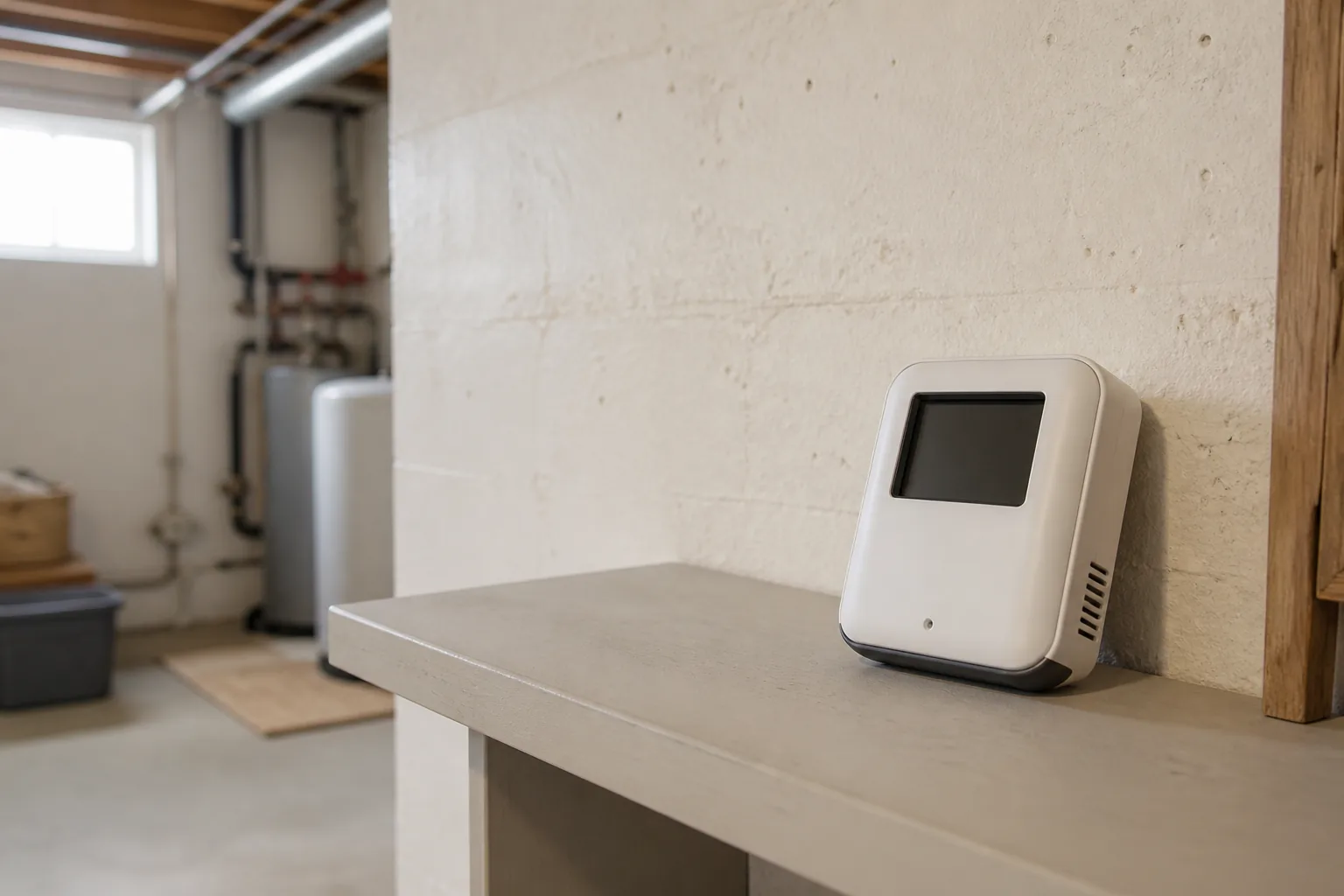
Test duration · source-linked
How Long Does a Radon Test Take?
See how long a radon test takes, from the device's exposure window through mailing, laboratory processing, and the final report.
Direct answer
A short-term radon test measures for 2–90 days; a long-term test measures for more than 90 days. That is the exposure window—not always the total time until you receive a result. Add any pickup, mailing, laboratory, and reporting time required by the specific device.
Reviewed September 5, 2026. United States federal guidance. Device instructions and applicable state requirements take precedence.
Evidence standard
Built from the official primary guidance linked on this page.
Source check
Reviewed September 5, 2026 · maintained by RadonVerdict.
Start-to-result timeline
Count every stage—not only the hours in the room
- 01
Choose
Match the device to the decision deadline and read its allowed exposure window.
- 02
Measure
Short-term: 2–90 days. Long-term: more than 90 days. The device sets the exact time.
- 03
Return
A passive kit may need sealing and prompt mailing; a tester may retrieve a monitor.
- 04
Receive
Add the laboratory or reporting turnaround before promising a decision date.
Short-term means 2 to 90 days
A short-term test answers a practical question quickly. It samples a limited period, so weather, season, ventilation, and ordinary living conditions can influence how well that period represents the rest of the year.
Do not assume every short-term kit should run for the same number of days. The device label or laboratory instructions establish its allowed exposure window.
Long-term means more than 90 days
A long-term device stays in place beyond 90 days. CDC says the longer period better reflects the home's year-round average and the way occupants actually use the home.
The tradeoff is simple: better time coverage in exchange for a slower answer. A long-term test is not a substitute for following placement and handling instructions.
A home sale is a separate testing context
EPA's real-estate guide is designed for a time-sensitive transaction and possible interference. Its checklist calls for at least 48 hours and describes multiple transaction testing options.
Do not carry that transaction protocol into every household test without checking the device and state requirements. If a sale, lender, or inspection is involved, use a qualified tester when required and preserve the report.
Record start and stop times—not just dates
A label such as “two days” can hide a 36-hour exposure. Recording the exact start and stop times makes the duration reviewable and lets the planner calculate hours without guessing.
If the calculated duration conflicts with the device minimum, verify the timestamps and device instructions before relying on the sample.
Exposure time is not the full results timeline
A continuous monitor may produce a report after retrieval, while a passive kit may need to be sealed, shipped, received, analyzed, and reported by a laboratory. Those steps occur after the required exposure window.
Before starting, write down the exposure minimum, maximum exposure if the device has one, return deadline, shipping method, laboratory turnaround, and the date your decision must be made. Do not promise a universal three-to-five-day result when the kit instructions say otherwise.
Turn this page into evidence
Build a procedure record
Check only what you can confirm. The summary keeps unresolved items visible instead of converting uncertainty into a pass.
Open the full test plannerCommon questions
Quick answers
Is 48 hours enough for a radon test?
It can be the minimum for some short-term and real-estate protocols, but not every device. The package or laboratory instructions determine the required exposure.
Is a 90-day radon test long-term?
No under CDC's definition. A long-term test runs for more than 90 days.
Which test is more accurate?
CDC says a long-term test better reflects the year-round average. A short-term test is useful when a faster result is needed.
How long does it take to get radon test results?
The measurement can take 2–90 days for a short-term test or more than 90 days for a long-term test. Your total wait also depends on device retrieval, mailing, laboratory processing, and reporting. Check the exact kit or tester timeline before you start.
Evidence boundary
Official sources used
Turn guidance into a record